
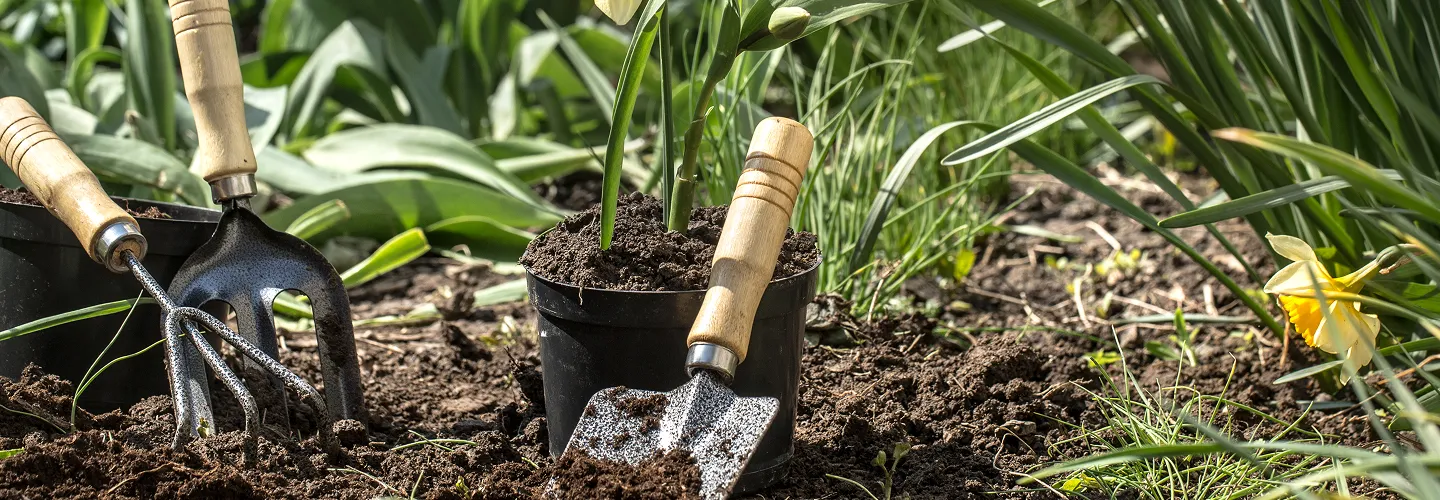
Bonita Springs Brush Removal Services
Choose our brush removal services for prompt, professional clearing that keeps your property safe, beautiful, and ready for your next project—trusted by Bonita Springs homeowners for hassle-free results.
Get a Free QuoteOur Bonita Springs Landscaping & Yard Care Services
When to Schedule Brush Removal in Bonita Springs, Florida – Seasonal Guide
In Bonita Springs, timing your brush removal is crucial for maintaining a healthy and attractive landscape. The subtropical climate means that vegetation grows rapidly, especially during the warm, humid months. The best periods for brush removal are typically late winter through early spring, just after the last frost and before the onset of the rainy season. This timing helps prevent regrowth and minimizes disruption to local wildlife. Neighborhoods near Bonita Beach Road and the Imperial River often experience dense undergrowth due to higher humidity and shade from mature trees, making seasonal maintenance even more important.
Local environmental factors such as sandy soils, high summer humidity, and the risk of drought during late spring can all impact the effectiveness of brush removal. Areas like Pelican Landing and Spanish Wells may also face municipal restrictions on debris disposal, so it's important to stay informed. For more information on local guidelines, visit the official city resource.
Local Factors to Consider for Brush Removal in Bonita Springs
- Tree density and type of vegetation
- Proximity to water bodies like the Imperial River
- Seasonal precipitation and risk of drought
- Soil composition (sandy vs. loamy)
- Shade coverage from mature trees
- Municipal restrictions on brush disposal
- Accessibility of terrain and equipment needs
Benefits of Brush Removal in Bonita Springs

Enhanced Curb Appeal
Improved Property Safety
Prevention of Pest Infestations
Increased Usable Outdoor Space
Healthier Landscape Growth
Boosted Property Value
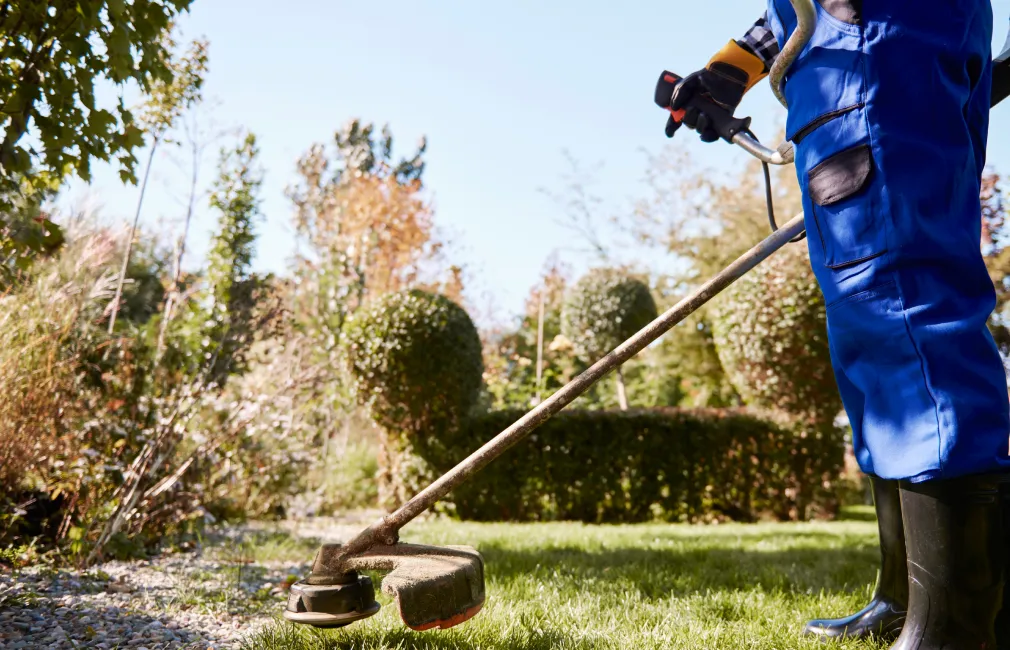
Bonita Springs Brush Removal Types

Tree Limb Removal
Efficiently clear away fallen or overgrown tree limbs from your property.
-
Shrub and Hedge Clearing
Remove unwanted shrubs and hedges to enhance your landscape’s appearance.
-
Yard Waste Hauling
Dispose of leaves, grass clippings, and other organic yard debris safely.
-
Storm Debris Cleanup
Quickly clear branches and brush left behind after storms or hurricanes.
-
Invasive Plant Removal
Eliminate invasive species to protect your landscape’s health and beauty.
-
Lot and Land Clearing
Prepare your property for new landscaping or construction projects.
Our Brush Removal Process
Site Evaluation
Safety Preparation
Brush Clearing
Debris Removal
Final Inspection
Why Choose Bonita Springs Landscape Services
Bonita Springs Homeowners Trust Us
-
Expert Lawn Maintenance
-
Reliable Irrigation Solutions
-
Comprehensive Tree Care
-
Pest and Weed Control
-
Competitive Pricing
-
Professional Team
-
Satisfaction Guarantee
Coordinating Brush Removal With Bonita Springs Public Works and Stormwater Operations
Brush removal in Bonita Springs requires coordination with municipal departments that oversee right-of-way maintenance, vegetative debris handling, and stormwater infrastructure protection. The city's Public Works division manages road corridors, drainage systems, and curbside operations that directly intersect with brush clearing activities. Residents and property managers should verify current vegetative debris collection schedules and bundling requirements before placing brush at the curb, as improperly staged material can obstruct swales, block drainage inlets, or interfere with stormwater conveyance. Brush piled in rights-of-way without following city guidelines may trigger code enforcement action. For properties adjacent to canals, retention ponds, or municipal drainage easements, confirming clearance protocols with Public Works helps prevent debris from entering the stormwater system.
Bonita Springs Public Works
9101 Bonita Beach Road, Bonita Springs, FL 34135
Official Website: Bonita Springs Public Works
- Confirm vegetative debris pickup schedules and accepted bundle sizes before staging brush curbside
- Keep all cut material away from swale edges, curb inlets, and canal banks during staging
- Coordinate with Public Works when clearing brush along city-maintained drainage easements or rights-of-way
- Report accumulated brush obstructing public drainage infrastructure through the city's service request process
How Bonita Springs's Subtropical Climate and Coastal Soils Affect Brush Accumulation
Bonita Springs sits within USDA Hardiness Zone 10a, positioned along Southwest Florida's Gulf Coast where subtropical heat, high humidity, and a pronounced wet season drive rapid vegetative growth. Annual rainfall averaging over 55 inches—concentrated heavily between June and October—accelerates brush regrowth from native and ornamental species alike. The area's predominantly sandy coastal soils, including Immokalee and Myakka fine sands common across Lee County according to the USDA Web Soil Survey, drain quickly but support shallow root systems that produce dense lateral brush growth. A high water table, often within a few feet of the surface during wet season, limits deep root anchoring and increases the likelihood of wind-thrown branches and storm-generated debris. Salt exposure on properties closer to Estero Bay and the Gulf intensifies leaf drop and branch dieback in salt-sensitive species, adding to brush volume. These conditions mean brush accumulation in Bonita Springs is not seasonal in the northern sense but rather a year-round management concern intensified by tropical storms and summer thunderstorms.
- Sandy, fast-draining soils promote dense lateral brush growth from shallow root systems
- High water table conditions increase storm-related branch failure and debris generation
- Salt spray near Estero Bay accelerates dieback in non-native and salt-sensitive plantings
- Wet-season rainfall from June through October drives rapid regrowth cycles requiring repeated clearing
Navigating Bonita Springs's Code Enforcement and Environmental Rules for Brush Removal
Property owners in Bonita Springs must be aware of several regulatory layers that apply to brush removal activities. The city's Code Enforcement division enforces property maintenance standards that address overgrown vegetation, accumulated debris, and visibility obstructions along sidewalks, roadways, and property frontages. Brush left unmanaged may result in code violations, particularly when it encroaches on public rights-of-way or obstructs drainage infrastructure. The Bonita Springs Tree Advisory Board provides guidance on tree preservation policies that may affect brush clearing when protected species or canopy trees are involved—property owners should verify whether removal activities near regulated trees require review. At the state level, the Florida DEP NPDES Stormwater Program governs discharge into municipal stormwater systems, meaning brush and vegetative debris must not be allowed to enter canals, retention ponds, or storm drains during removal operations. The Clean Water Act provides the federal framework reinforcing these protections. Properties adjacent to wetlands or conservation areas may fall under additional review through the South Florida Water Management District.
Bonita Springs Code Enforcement
9101 Bonita Beach Road, Bonita Springs, FL 34135
Official Website: Bonita Springs Code Enforcement
Bonita Springs Tree Advisory Board
Official Website: Bonita Springs Tree Advisory Board
- Verify whether brush clearing near protected or canopy trees triggers municipal review
- Prevent all vegetative debris from entering stormwater conveyance systems during removal
- Address overgrown brush promptly to avoid code enforcement action on property maintenance violations
- Confirm requirements with the city's permitting office when brush removal is part of a larger land-clearing or development project
Timing and Methods for Professional Brush Removal in Bonita Springs's Climate
Effective brush removal in Bonita Springs demands scheduling and methods adapted to the region's heat, humidity, and storm patterns. The dry season—roughly November through May—offers the most practical window for large-scale brush clearing, as lower water tables improve equipment access on sandy soils and reduce the risk of rutting in saturated areas. However, brush accumulation peaks during and immediately after wet season, when tropical storms and summer convective events generate significant volumes of downed branches and wind-thrown material. Professional crews typically use a combination of hand-clearing for sensitive areas near canals, retention ponds, and landscape beds, and mechanical methods such as brush chippers and grapple trucks for larger-scale operations. Cut material should be chipped or hauled promptly rather than left in piles, which can harbor pests and impede drainage flow. When brush removal occurs near waterways or stormwater infrastructure, erosion-control measures such as silt barriers may be warranted to prevent sediment migration, consistent with EPA stormwater discharge guidance.
- Schedule large clearing projects during the dry season when soil conditions support equipment access
- Prioritize prompt removal of storm-generated brush to prevent drainage obstruction and pest harborage
- Use hand-clearing methods near canals, retention ponds, and environmentally sensitive buffers
- Chip or haul brush material the same day when possible to avoid code violations and neighborhood complaints
- Install temporary erosion controls when clearing brush on slopes or near stormwater conveyance features
What Neighborhoods Do We Serve Throughout Bonita Springs, FL?
- Pelican Landing — This established community features extensive preserve buffers, lake-front lots, and mature canopy trees that generate consistent brush volume requiring careful clearing near environmentally sensitive edges.
- Spanish Wells — Properties in this golf-course community often border maintained waterways and retention areas where brush must be removed without allowing debris to enter the stormwater system.
- Worthington — Canal-adjacent lots and HOA-maintained common areas in Worthington require coordinated brush removal that respects community appearance standards and drainage infrastructure.
- Village Walk of Bonita Springs — Compact lot sizes and shared landscape buffers in this planned community mean brush clearing must account for neighbor proximity and limited staging space.
- Coconut Point area — Mixed residential and commercial parcels near Coconut Point generate brush from both ornamental plantings and native vegetation along drainage corridors.
- Imperial Shores — Older lots along the Imperial River corridor present unique brush removal challenges due to mature vegetation, tidal influence, and proximity to waterway protection zones.