
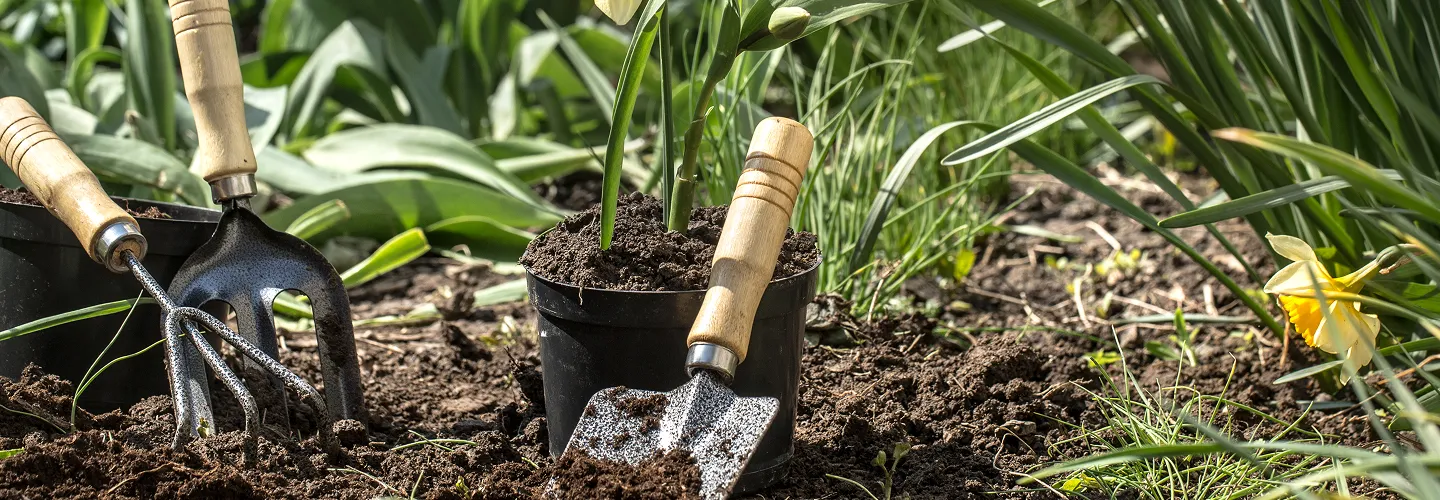
Bonita Springs Flower Planting Services
Choose our Flower Planting services for expert design, premium plant selection, and meticulous care that ensures your garden bursts with color and thrives season after season.
Get a Free QuoteOur Bonita Springs Landscaping & Yard Care Services
When to Schedule Flower Planting in Bonita Springs, Florida – Seasonal Guide
Flower planting in Bonita Springs is best scheduled with careful attention to our unique subtropical climate and the specific needs of your landscape. The ideal planting windows are typically late fall through early spring, when temperatures are milder and rainfall is more predictable. This timing helps new blooms establish strong roots before the intense summer heat arrives. In neighborhoods like Pelican Landing and Bonita Bay, homeowners often take advantage of the cooler months to refresh garden beds and introduce vibrant seasonal color.
Local environmental factors play a significant role in determining the best time for planting. Bonita Springs rarely experiences frost, but occasional cold snaps can occur in January, so monitoring local forecasts is essential. Areas near the Imperial River or shaded by mature oaks may have different soil moisture and sunlight conditions compared to sunnier, open lots in Spanish Wells. Soil composition, humidity, and even municipal watering restrictions can all impact your planting schedule. For more detailed local guidelines, you can consult resources like the Sudbury town website.
Local Factors to Consider for Flower Planting in Bonita Springs
- Proximity to large trees and resulting shade coverage
- Soil drainage and type (sandy, loamy, or clay)
- Average rainfall and seasonal drought risk
- Neighborhood-specific microclimates (e.g., near Bonita Beach or Highland Woods)
- Municipal watering schedules and restrictions
- Terrain slope and potential for water runoff
- Exposure to salt spray in coastal areas
Benefits of Flower Planting in Bonita Springs
Expert Local Knowledge
Customized Landscape Designs
Seasonal Plant Selection
Enhanced Curb Appeal
Eco-Friendly Practices
Reliable Maintenance Services
Bonita Springs Flower Planting Types

Annual Flower Planting
Seasonal annuals provide vibrant color and variety throughout the year.
-
Perennial Flower Beds
Perennials offer long-lasting blooms and return year after year with minimal maintenance.
-
Native Wildflower Gardens
Native wildflowers support local ecosystems and thrive in Bonita Springs’ climate.
-
Pollinator-Friendly Plantings
Attract bees, butterflies, and hummingbirds with carefully selected flowering plants.
-
Shade Garden Flowers
Shade-tolerant flowers brighten up areas under trees or on the north side of your property.
-
Drought-Tolerant Flower Beds
Low-water flowers conserve resources and flourish in Florida’s dry spells.
-
Container Flower Arrangements
Versatile container plantings add color to patios, entryways, and small spaces.
Our Flower Planting Process
Site Evaluation
Soil Preparation
Flower Selection
Planting
Watering and Mulching
Why Choose Bonita Springs Landscape Services
Bonita Springs Homeowners Trust Us
-
Expert Lawn Maintenance
-
Reliable Irrigation Solutions
-
Comprehensive Tree Care
-
Pest and Weed Control
-
Competitive Pricing
-
Professional Team
-
Satisfaction Guarantee
Coordinating Flower Planting Projects with Bonita Springs Municipal Programs and Departments
Flower planting on residential and commercial properties in Bonita Springs often intersects with municipal oversight, particularly when work occurs near rights-of-way, stormwater infrastructure, or public-facing frontage. The city's Green Government initiative encourages environmentally responsible landscaping practices, including the use of native and Florida-Friendly plant selections that reduce irrigation demand and limit nutrient runoff into the Imperial River watershed and surrounding canal systems. Property owners planning flower installations adjacent to sidewalks, swales, or drainage easements should verify setback and planting restrictions through the appropriate city department before beginning work.
- Confirm whether proposed planting areas overlap with city-maintained swales, drainage easements, or utility corridors
- Review any HOA or deed-restricted community landscape guidelines that may govern plant species, bed placement, or color palettes
- Coordinate irrigation connections or modifications with Bonita Springs Utilities Water Services to ensure compliance with current watering schedules
Bonita Springs Green Government
9101 Bonita Beach Road, Bonita Springs, FL 34135
Official Website: Bonita Springs Green Government
Bonita Springs Parks & Recreation
26740 Pine Avenue, Bonita Springs, FL 34135
Official Website: Bonita Springs Parks & Recreation
How Bonita Springs's Subtropical Coast and Sandy Soils Affect Flower Planting
Bonita Springs falls within USDA Hardiness Zone 10a, situated along Florida's Gulf Coast in a subtropical climate characterized by intense summer heat, high humidity, and a pronounced wet season from roughly June through October. These conditions directly shape which flower species establish successfully and how planting beds must be prepared. The area's predominant soils are sandy and fast-draining, often with low organic matter and limited nutrient retention. In many subdivisions built on fill material, compaction and poor water-holding capacity compound the challenge. Properties near tidal creeks, canals, or the Imperial River may also encounter elevated water tables during the wet season.
- Sandy coastal soils require organic amendment at planting to improve moisture retention and root establishment
- Salt exposure affects properties near Estero Bay and along tidal waterways, limiting species selection to salt-tolerant varieties such as blanket flower, beach sunflower, and dune sunflower
- Humidity-driven fungal pressure—including leaf spot and root rot—demands well-drained bed construction and appropriate plant spacing for air circulation
- Nutrient leaching through sandy profiles increases the risk of fertilizer reaching groundwater, canals, and retention ponds, as outlined by UF/IFAS guidance on protecting Florida's water resources
Navigating Bonita Springs's Code and Environmental Compliance for Flower Planting
Flower planting in Bonita Springs is subject to several layers of regulatory awareness, even though it typically does not require a building permit. The city's Code Enforcement division monitors property maintenance standards, including frontage appearance, overgrown vegetation, and visibility obstructions near driveways and intersections. Planting beds installed along rights-of-way or within required sight triangles must not impede pedestrian or vehicular sightlines. When flower planting involves soil amendments or fertilizer application, property owners and service providers should be aware of Florida Statute §403.9337, which establishes the framework for Florida-Friendly fertilizer use on urban landscapes. Lee County enforces a seasonal fertilizer blackout; residents should verify current local ordinance dates before applying any granular or liquid fertilizer to new plantings.
- Avoid placing soil, mulch, or plant debris in swales, curb inlets, canal banks, or stormwater retention areas
- Any pesticide application associated with flower bed preparation must be performed by individuals holding valid credentials through the FDACS Pesticide Applicator Licensing program
- Properties adjacent to wetlands, preserves, or conservation easements may face additional planting restrictions; confirm requirements through the city's development review process
Bonita Springs Code Enforcement
9101 Bonita Beach Road, Bonita Springs, FL 34135
Official Website: Bonita Springs Code Enforcement
Timing and Methods for Flower Planting in Bonita Springs's Gulf Coast Climate
Professional flower planting in Bonita Springs follows seasonal windows dictated by heat intensity, rainfall patterns, and species-specific establishment needs. The optimal planting periods are generally early fall (October through November) and late winter through early spring (February through April), when temperatures moderate and rainfall is less intense. Summer planting is feasible but demands careful irrigation management and heat-tolerant species selection. Bed preparation in Bonita Springs's sandy soils typically involves incorporating two to three inches of composted organic matter into the top six to eight inches of the planting zone to improve water retention and microbial activity.
- Select species suited to Zone 10a conditions: pentas, firebush, lantana, plumbago, salvia, and society garlic perform reliably in full-sun Bonita Springs exposures
- For shaded beds beneath mature oaks or palms, consider impatiens (where downy mildew pressure is managed), crossandra, or caladiums during warm months
- Install drip irrigation or micro-spray emitters in flower beds rather than relying on overhead rotors, which waste water and promote foliar disease; the EPA WaterSense program provides guidance on efficient outdoor irrigation
- Apply two to three inches of mulch around plantings, keeping mulch pulled back from stems to prevent crown rot
- Verify the USDA Plant Hardiness Zone for any specialty or marginal species before committing to large-scale installations
- Time fertilizer applications to coincide with active growth periods and outside any locally enforced blackout windows to protect the Imperial River and downstream estuarine systems
What Neighborhoods Do We Serve Throughout Bonita Springs, FL?
- Pelican Landing — This established community features mature landscaping, extensive preserve buffers, and lake-adjacent lots where flower bed placement must account for drainage flow and wildlife corridor setbacks.
- Spanish Wells — Properties in Spanish Wells often include canal-front parcels with sandy fill soils, requiring amended bed preparation and salt-tolerant species near waterfront exposures.
- Worthington — A golf-course community with HOA-governed landscape standards; flower planting here typically must conform to approved plant palettes and bed dimensions specified by the association.
- Village Walk of Bonita Springs — Compact lot sizes and shared irrigation infrastructure in this community make drip-emitter installation and hydrozoning particularly important for flower bed efficiency.
- Bonita Bay — High-end properties adjacent to Estero Bay and preserve areas demand careful species selection for salt tolerance, wind exposure, and environmental compliance near sensitive coastal habitats.
- Imperial Shores — Older lots along the Imperial River present unique drainage considerations and may have higher water tables that influence bed elevation and root-zone management for seasonal flowers.