
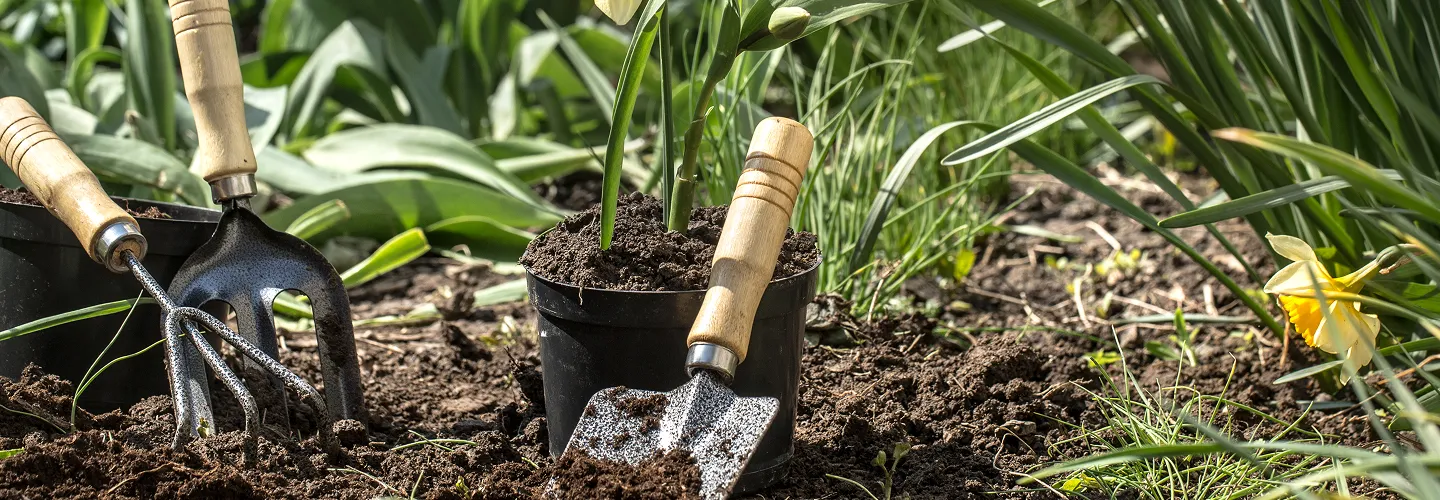
Bonita Springs Green Waste Disposal Services
Choose our Green Waste Disposal for reliable, environmentally responsible removal of your yard debris—keeping your property clean while supporting a greener Bonita Springs.
Get a Free QuoteOur Bonita Springs Landscaping & Yard Care Services
When to Schedule Green Waste Disposal in Bonita Springs, Florida – Seasonal Guide
In Bonita Springs, Florida, the timing of green waste disposal is closely tied to our unique subtropical climate and the rhythms of local landscaping needs. The optimal periods for scheduling green waste removal are typically late winter through early spring and again in late summer, aligning with the region’s primary growth and pruning cycles. For neighborhoods near Bonita Bay or around the Imperial River, it’s especially important to consider the last frost date—usually in early February—before undertaking major yard cleanups or tree trimming. This helps protect sensitive plants and ensures that debris is removed before the onset of spring growth.
Local environmental factors such as high humidity, sandy soils, and the risk of summer droughts also play a role in determining the best disposal schedule. Areas with dense shade, like those near Riverside Park, may accumulate more leaf litter, while properties in the Spanish Wells community might face different challenges due to varying tree density and municipal guidelines. For more information on local regulations and best practices, visit the official city resource.
Local Factors to Consider for Green Waste Disposal in Bonita Springs
- Tree density and types of vegetation on your property
- Proximity to water bodies and flood-prone areas
- Typical precipitation patterns and risk of drought
- Municipal restrictions on disposal timing and methods
- Soil type and drainage characteristics
- Shade coverage and accumulation of organic debris
- Neighborhood-specific guidelines or HOA requirements
Benefits of Green Waste Disposal in Bonita Springs

Eco-Friendly Landscaping Solutions
Efficient Green Waste Removal
Promotes Healthy Plant Growth
Reduces Landfill Waste
Supports Local Sustainability
Enhances Property Appearance
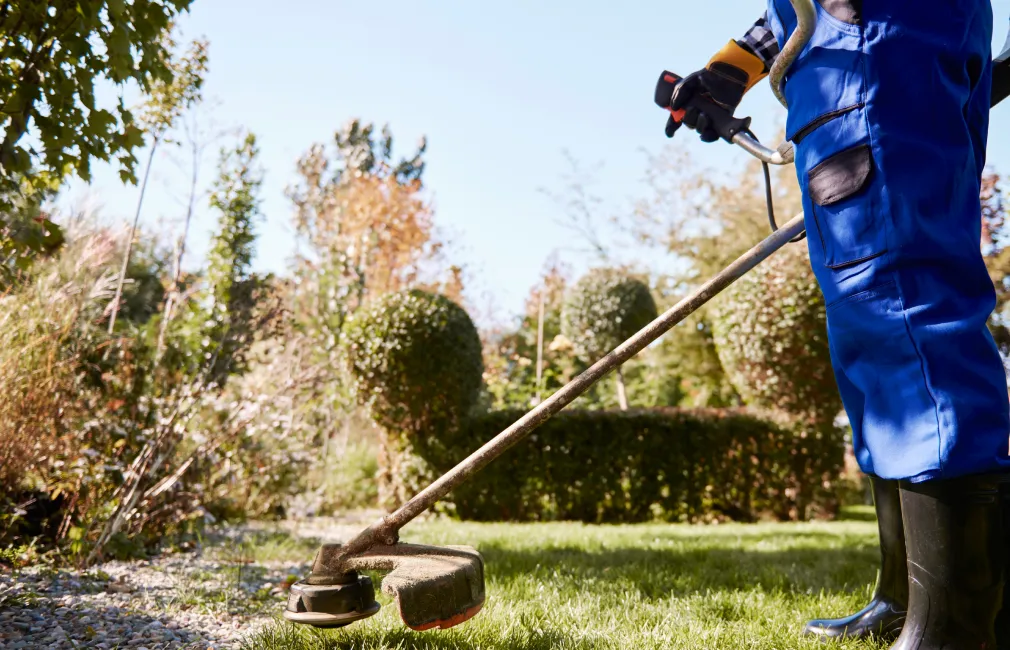
Bonita Springs Green Waste Disposal Types

Grass Clippings
-
Tree Branches
-
Shrub Trimmings
-
Leaves Collection
-
Palm Fronds
-
Garden Debris
-
Mulch Recycling
Our Green Waste Disposal Process
Collection of Green Waste
Sorting and Separation
Transport to Disposal Facility
Eco-Friendly Processing
Why Choose Bonita Springs Landscape Services
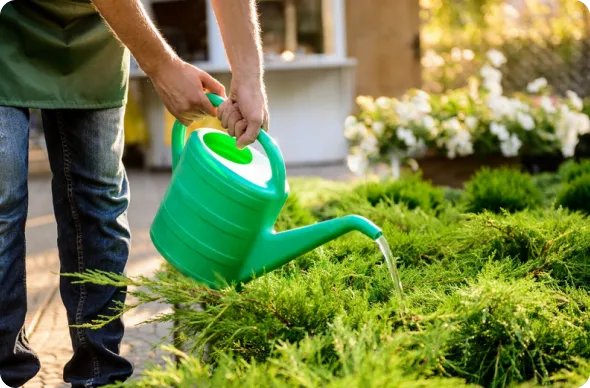
Bonita Springs Homeowners Trust Us
-
Expert Lawn Maintenance
-
Reliable Irrigation Solutions
-
Comprehensive Tree Care
-
Pest and Weed Control
-
Competitive Pricing
-
Professional Team
-
Satisfaction Guarantee
Coordinating Green Waste Disposal Through Bonita Springs Municipal Programs and Public Works
Green waste disposal in Bonita Springs requires coordination with city departments that oversee vegetative debris collection, right-of-way maintenance, and stormwater infrastructure protection. The City of Bonita Springs Public Works Department manages roadside drainage systems, swale maintenance, and infrastructure that can be directly affected by improperly staged or abandoned yard waste. Residents and property managers should verify current curbside collection schedules, accepted material types, and bundling or container requirements through the city before placing green waste at the curb. Organic debris left in swales, near canal banks, or over storm-drain inlets can obstruct drainage flow and introduce nutrient loads into downstream waterways. The city's Green Government initiative also promotes recycling and environmental stewardship practices that apply to how vegetative waste is handled and diverted from landfills.
- Confirm whether your green waste hauler is authorized to operate within city limits
- Separate vegetative debris from construction materials, household trash, and non-organic waste
- Never place green waste over or adjacent to stormwater inlets, canal edges, or drainage swales
- Contact Public Works to verify bulk vegetative debris pickup procedures and any seasonal changes
Bonita Springs Public Works Department
9101 Bonita Beach Road, Bonita Springs, FL 34135
Official Website: Bonita Springs Public Works
Bonita Springs Green Government
9101 Bonita Beach Road, Bonita Springs, FL 34135
Official Website: Bonita Springs Green Government
How Bonita Springs's Subtropical Climate and Coastal Soils Affect Green Waste Volume
Bonita Springs sits within USDA Hardiness Zone 10a, positioned along Southwest Florida's Gulf Coast where subtropical heat, high humidity, and a pronounced wet season from June through October drive aggressive year-round vegetative growth. This climate produces substantially more green waste than temperate regions, as St. Augustinegrass, tropical ornamentals, palms, and fast-growing native and non-native shrubs generate continuous clippings, fronds, leaf litter, and pruning debris. The area's predominant sandy coastal soils and shell-influenced substrates drain rapidly but offer minimal nutrient retention, meaning decomposing organic material left on the ground surface can leach nitrogen and phosphorus into the shallow water table or nearby canal systems. Bonita Springs's proximity to the Imperial River, numerous residential canals, and coastal estuaries makes proper green waste containment and removal essential for protecting downstream water quality. According to UF/IFAS guidance on protecting Florida's water resources, organic debris entering waterways contributes to nutrient loading that degrades aquatic ecosystems.
- Sandy, fast-draining soils allow nutrients from decomposing yard waste to reach groundwater quickly
- High water tables across much of Bonita Springs increase the risk of subsurface contamination from abandoned organic piles
- Wet-season storms can wash unsecured green waste into retention ponds, swales, and canal networks
- Salt-influenced coastal soils near Estero Bay and Barefoot Beach areas may affect decomposition rates and disposal logistics
Navigating Bonita Springs's Code Enforcement and Stormwater Rules for Green Waste
Green waste disposal in Bonita Springs is subject to municipal code enforcement standards that address property maintenance, debris accumulation, and neighborhood appearance. The city's Code Enforcement division monitors properties for excessive vegetative debris buildup, overgrown conditions, and waste placement that obstructs sidewalks, rights-of-way, or drainage infrastructure. Property owners and managers should be aware that allowing green waste to accumulate beyond scheduled collection periods or outside designated staging areas may result in code violations. Under the Florida DEP NPDES Stormwater Program, municipalities including Bonita Springs operate under Municipal Separate Storm Sewer System (MS4) permits that require preventing pollutants—including organic debris—from entering stormwater conveyance systems. The Clean Water Act establishes the federal framework under which these local stormwater protections operate. Commercial landscape operators generating large volumes of green waste should verify whether the city requires specific hauling permits or disposal documentation for commercial-scale vegetative debris removal.
- Avoid staging green waste in swales, over curb inlets, or within canal maintenance easements
- Verify bundling size limits and container requirements with the city before placing debris curbside
- Commercial operators should confirm disposal routing to authorized facilities rather than unauthorized dump sites
- Properties adjacent to retention ponds or preserves may face additional restrictions on debris placement
Bonita Springs Code Enforcement
9101 Bonita Beach Road, Bonita Springs, FL 34135
Official Website: Bonita Springs Code Enforcement
Timing and Methods for Green Waste Collection in Bonita Springs's Wet and Dry Seasons
Professional green waste disposal in Bonita Springs requires scheduling awareness that accounts for the region's distinct wet and dry seasons. During the wet season from June through October, rapid turf growth, frequent storm events, and heavy palm frond drop generate peak volumes of vegetative debris. Disposal operations during this period should prioritize prompt removal to prevent organic material from being carried into stormwater systems by heavy rainfall. During the drier months from November through May, debris volumes typically decrease but periodic cold-front winds can produce sudden surges of leaf litter and branch material. Following tropical storms or hurricanes, the city may activate emergency debris collection protocols that differ from routine schedules—residents should monitor official city communications for updated guidance during these events.
- Stage green waste on the swale edge or designated curbside area only within the timeframe allowed before scheduled collection
- Keep grass clippings contained rather than blowing them into streets, gutters, or storm drains
- Bundle branches and woody material according to city-specified length and diameter limits, which should be confirmed with Public Works
- Separate palm fronds, which are bulky and slow to decompose, from lighter leaf and grass debris when required by the hauler
- After storm events, do not mix vegetative debris with construction materials, appliances, or household waste in curbside staging areas
Properties managed by HOAs or community associations should coordinate with their contracted haulers to ensure green waste is transported to facilities authorized to accept organic material, such as composting operations or permitted yard-waste processing sites, rather than standard landfills where diversion programs exist.
What Neighborhoods Do We Serve Throughout Bonita Springs, FL?
- Pelican Landing — This established community features mature tropical landscaping, extensive preserve buffers, and lake-adjacent lots that generate significant palm frond and ornamental debris requiring careful staging away from water features.
- Spanish Wells — Properties in this golf-course community produce consistent volumes of turf clippings and hedge trimmings, with HOA standards often dictating prompt removal schedules.
- Worthington — Canal-bordered lots in Worthington require particular attention to keeping green waste away from waterway edges and drainage easements during wet-season collection.
- Village Walk of Bonita Springs — Higher-density villa and single-family layouts create access considerations for debris staging, with shared streetscapes requiring coordinated placement to avoid obstructing sidewalks and swales.
- Bonita Bay — Large estate-sized lots with extensive tropical plantings, mangrove-adjacent parcels, and multiple water features generate above-average green waste volumes that often require commercial-scale hauling.
- Imperial Shores — Older residential lots along the Imperial River corridor face unique disposal logistics due to narrow lot frontages, mature tree canopies, and proximity to tidally influenced waterways.