
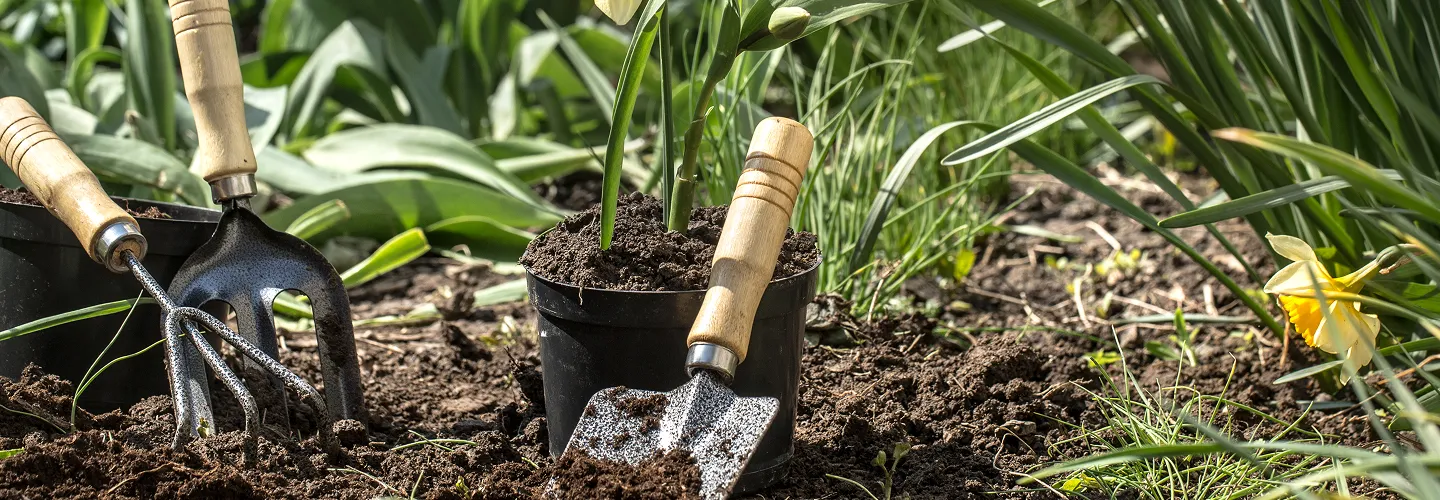
Bonita Springs Fertilizing Lawn Services
Choose our expert fertilizing lawn services for lush, healthy grass that thrives year-round—because your lawn deserves the best care and attention from local professionals who understand Bonita Springs’ unique needs.
Get a Free QuoteOur Bonita Springs Landscaping & Yard Care Services
When to Schedule Fertilizing Lawn in Bonita Springs, Florida – Seasonal Guide
Fertilizing your lawn in Bonita Springs requires careful timing to ensure lush, healthy grass throughout the year. Due to our subtropical climate, the best periods for fertilization are typically in early spring and late summer, when grass growth is most vigorous. Neighborhoods near Bonita Beach Road and the Imperial River often experience unique microclimates, so it’s important to consider local weather patterns and soil conditions. For example, areas with higher humidity and frequent rainfall, such as those near Barefoot Beach Preserve, may require different fertilization schedules compared to drier inland communities.
Local environmental factors play a significant role in determining the optimal fertilizing schedule. Bonita Springs lawns are often affected by sandy soils, which drain quickly and may need more frequent nutrient replenishment. Additionally, shade from mature oaks in communities like Spanish Wells or the presence of municipal watering restrictions can impact both the timing and type of fertilizer used. For more information on local guidelines and best practices, visit the official resource.
Local Factors to Consider for Fertilizing Lawn in Bonita Springs
- Tree density and shade coverage, especially in established neighborhoods
- Soil type (sandy vs. loamy) and drainage characteristics
- Seasonal precipitation patterns and drought risk
- Proximity to water bodies, which may affect humidity and runoff
- Municipal restrictions on fertilizer application periods
- Terrain variations, such as sloped yards or low-lying areas prone to pooling
Benefits of Fertilizing Lawn in Bonita Springs

Enhanced Lawn Health
Improved Curb Appeal
Weed and Pest Resistance
Thicker, Greener Grass
Customized Fertilization Plans
Expert Local Knowledge
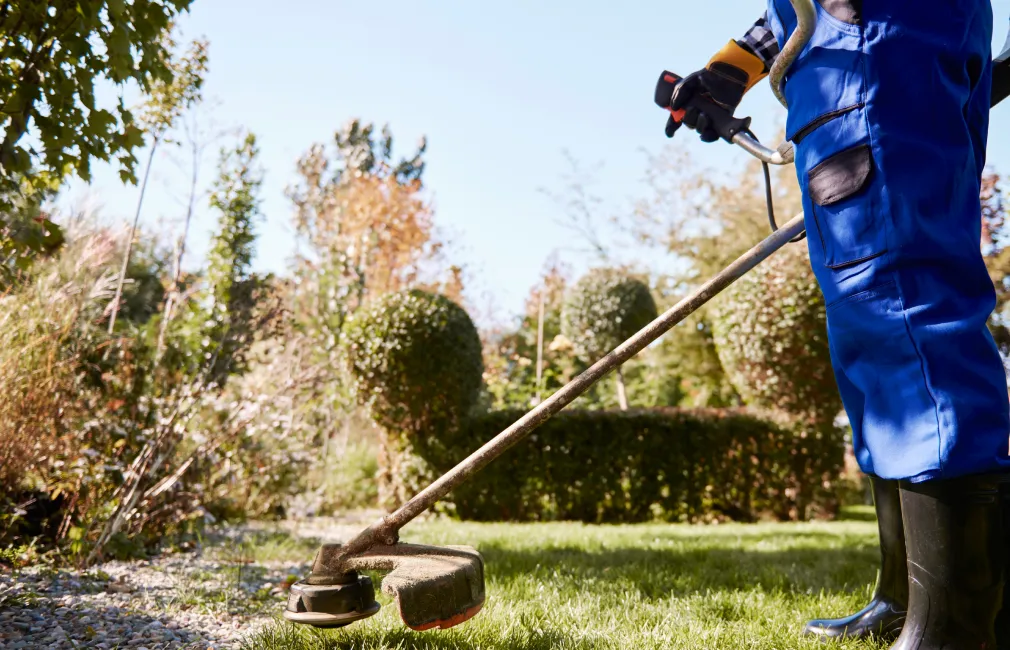
Bonita Springs Fertilizing Lawn Types

St. Augustine Grass Fertilization
-
Bermuda Grass Fertilization
-
Zoysia Grass Fertilization
-
Bahia Grass Fertilization
-
Centipede Grass Fertilization
-
Seashore Paspalum Fertilization
Our Fertilizing Lawn Process
Soil Analysis
Fertilizer Selection
Application Scheduling
Even Distribution
Post-Application Inspection
Why Choose Bonita Springs Landscape Services
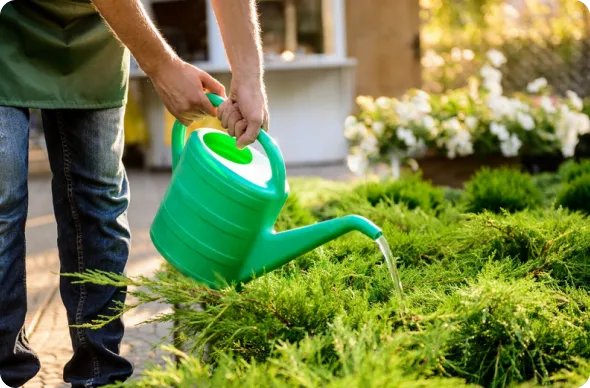
Bonita Springs Homeowners Trust Us
-
Expert Lawn Maintenance
-
Reliable Irrigation Solutions
-
Comprehensive Tree Care
-
Pest and Weed Control
-
Competitive Pricing
-
Professional Team
-
Satisfaction Guarantee
Coordinating Lawn Fertilization With Bonita Springs Stormwater and Environmental Programs
Bonita Springs sits within a network of canals, retention ponds, and tidal waterways that drain toward Estero Bay and the Imperial River watershed. Fertilizer granules or dissolved nutrients that reach these systems contribute to algal blooms and water-quality degradation. The city's Public Works department oversees stormwater infrastructure—including swales, curb inlets, and drainage ditches—and residents should understand how fertilizer applications interact with that infrastructure. Before scheduling any lawn fertilization program, property owners and managers should confirm current municipal guidance through the city's environmental sustainability initiatives and verify that applicators follow deflector-shield and setback practices near all drainage features.
- Avoid applying fertilizer within 10 feet of any canal, pond, lake edge, or stormwater inlet, and use a deflector shield within the low-maintenance zone adjacent to waterways
- Sweep any granules that land on sidewalks, driveways, or roadways back onto the turf—never hose them into the gutter or swale
- Coordinate irrigation schedules with Bonita Springs Utilities to ensure fertilizer is watered in lightly without generating runoff
Bonita Springs Public Works
9101 Bonita Beach Road, Bonita Springs, FL 34135
Official Website: Bonita Springs Public Works
Bonita Springs Green Government
9101 Bonita Beach Road, Bonita Springs, FL 34135
Official Website: Bonita Springs Green Government
How Bonita Springs's Coastal Soils and Subtropical Climate Shape Lawn Fertilization
Bonita Springs falls within USDA Hardiness Zone 10a and experiences a pronounced wet season from roughly June through October, followed by a drier and mildly cooler period from November through May. These conditions directly govern how fertilizer behaves once applied. The predominant soils across much of the city are sandy and shell-influenced with low organic matter and limited cation exchange capacity, meaning nutrients—especially nitrogen—leach rapidly through the root zone during heavy summer rains. Properties closer to Estero Bay or the Imperial River may also encounter a high water table that further accelerates nutrient movement toward surface water.
- Nutrient leaching: Sandy coastal soils hold very little nitrogen or potassium; slow-release nitrogen sources are essential to reduce loss during the 55+ inches of annual rainfall the region typically receives
- Salt exposure: Properties near tidal waterways or barrier-island edges may experience salt spray or brackish irrigation, which affects turf nutrient uptake and soil chemistry
- Fungal pressure: High humidity and warm nighttime temperatures promote fungal diseases in St. Augustinegrass and zoysiagrass; over-fertilization with fast-release nitrogen intensifies this risk
- Irrigation dependence: During the dry season, turf relies on supplemental irrigation, and fertilizer applications must be timed so that watering-in occurs without exceeding South Florida Water Management District restrictions
Navigating Bonita Springs's Fertilizer Ordinance and State Regulatory Framework
Lee County and the City of Bonita Springs operate under fertilizer use regulations aligned with Florida Statutes §403.9337, the state model ordinance for Florida-Friendly fertilizer use on urban landscapes. Residents and lawn care providers should verify the specific local ordinance provisions currently in effect, as municipalities may adopt restrictions that meet or exceed the state model. Key compliance areas include seasonal application blackout periods during the height of the wet season, nitrogen and phosphorus content limits per application, and mandatory use of slow-release nitrogen formulations. Commercial applicators working in Bonita Springs should hold appropriate credentials through the Florida Department of Agriculture and Consumer Services and follow all label requirements.
- Blackout periods: The local ordinance may prohibit fertilizer application during certain summer months; verify current dates with the city's Code Enforcement division before scheduling treatments
- Phosphorus restrictions: Applications containing phosphorus may be restricted unless a soil test demonstrates a documented deficiency
- Slow-release nitrogen: A minimum percentage of nitrogen in each application must be in slow-release form to reduce leaching into the stormwater system
- Buffer zones: Fertilizer-free zones are typically required adjacent to any water body, canal, or stormwater conveyance, consistent with Florida DEP NPDES stormwater program objectives
Bonita Springs Code Enforcement
9101 Bonita Beach Road, Bonita Springs, FL 34135
Official Website: Bonita Springs Code Enforcement
Timing and Methods for Fertilizing Lawns in Bonita Springs's Growing Seasons
Warm-season turfgrasses common in Bonita Springs—primarily St. Augustinegrass, zoysiagrass, and bahiagrass—are actively growing from approximately April through October. Fertilization should align with this active growth period to maximize nutrient uptake and minimize waste. UF/IFAS lawn maintenance guidance recommends soil testing before establishing any fertilization program, as Bonita Springs soils frequently test adequate or high in phosphorus but deficient in potassium and micronutrients such as iron and manganese.
- Soil testing: Submit samples to the UF/IFAS Extension Soil Testing Laboratory or a certified lab before the first application of the season; results guide nitrogen rate, phosphorus need, and micronutrient supplementation
- Application rate: Follow UF/IFAS recommendations for the specific turf species—St. Augustinegrass in partial shade typically requires less nitrogen per year than full-sun bermudagrass
- Granular vs. liquid: Granular slow-release products are generally preferred for residential lawns because they reduce the risk of foliar burn and runoff compared to liquid concentrates applied before heavy rain
- Irrigation coordination: Water in fertilizer with approximately one-quarter inch of irrigation within 24 hours of application, but avoid irrigating to the point of runoff—particularly on slopes or near canal banks
- Seasonal adjustment: Reduce or suspend fertilization during the coolest months (December through February) when turf growth slows significantly and nutrient uptake declines
What Neighborhoods Do We Serve Throughout Bonita Springs, FL?
- Pelican Landing: This established community features extensive lake and preserve frontage, requiring careful fertilizer setbacks and slow-release formulations to protect interconnected water features and native buffer areas.
- Spanish Wells: Properties in Spanish Wells often include mature St. Augustinegrass lawns on sandy fill soils, and HOA landscape standards may influence fertilization schedules and product selection.
- Worthington: Canal-adjacent lots in Worthington demand strict adherence to buffer-zone requirements and deflector-shield use to prevent nutrient migration into the stormwater conveyance network.
- Village Walk of Bonita Springs: This community's compact lot sizes and shared irrigation systems require coordinated fertilization timing to avoid over-application and ensure uniform nutrient distribution.
- Bonita Bay: Large estate lots and golf-course-adjacent properties in Bonita Bay sit near Estero Bay preserves, making environmentally compliant fertilization practices especially critical for protecting Florida's water resources.
- Imperial Shores: Waterfront properties along the Imperial River face elevated runoff sensitivity, and fertilizer applications should be timed well ahead of forecast rain events to allow proper soil absorption.